
Words have the power to shape how we see ourselves. When you describe yourself using figurative language, your personality becomes more vivid, emotional, and memorable. One of the simplest yet most powerful tools in figurative language is the simile. Similes create comparisons using the words like or as, helping readers picture ideas clearly. They bring color and depth to descriptions, turning ordinary sentences into expressive statements.
Nature similes, especially those inspired by trees, are particularly meaningful because trees symbolize strength, growth, resilience, wisdom, and deep-rooted identity. Like humans, trees face storms, change with seasons, and continue growing over time. When you use similes inspired by nature, you connect your personal story to something timeless and universal. In this article, you’ll discover creative metaphors for yourself expressed through powerful similes, along with clear meanings and natural examples you can use in writing, speeches, essays, poems, or personal reflections.
What Is a Simile?
A simile is a figure of speech that compares two different things using the words like or as.
Example: I am as steady as an oak tree in a storm.
This comparison helps readers imagine strength and stability by connecting a person to something familiar in nature. Similes are widely used in literature, poetry, and everyday language because they make writing more vivid and relatable.
Powerful Similes (Metaphors for Yourself)
Below are 35 carefully crafted similes you can use as meaningful comparisons to describe yourself.
As steady as an oak in a storm
Meaning: Strong and unshaken during difficult times. Usage Insight: Perfect for essays or personal statements about resilience. Examples:
- I remained as steady as an oak in a storm when challenges tried to shake my confidence.
- Even under pressure, she stood as steady as an oak in a storm.
Like a seed pushing through concrete
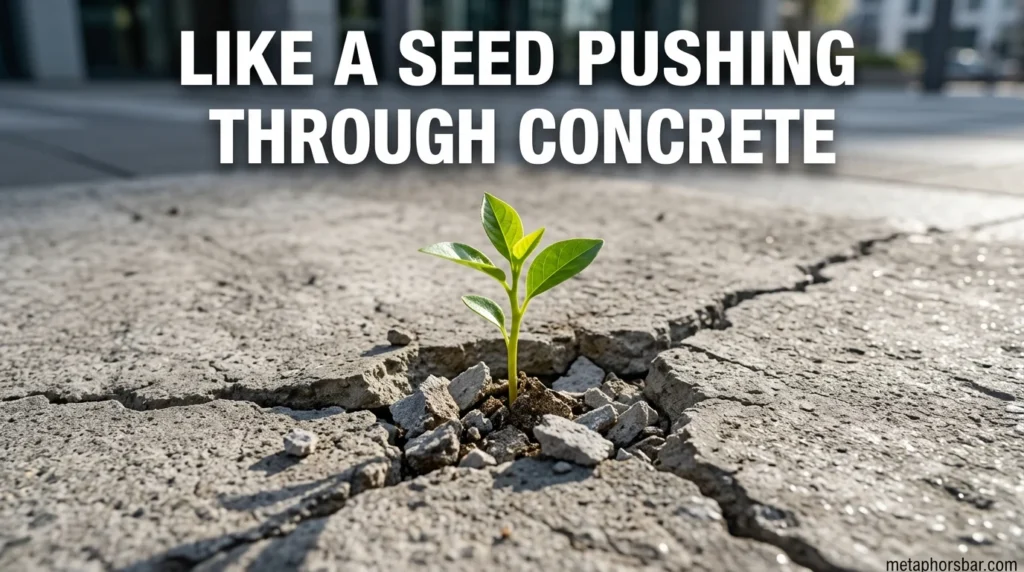
Meaning: Determined to grow despite obstacles. Usage Insight: Great for stories about overcoming hardship. Examples:
- I grew like a seed pushing through concrete, refusing to give up.
- His ambition rose like a seed pushing through concrete.
As calm as a quiet forest at dawn
Meaning: Peaceful and composed. Usage Insight: Ideal for reflective writing or personality descriptions. Examples:
- I felt as calm as a quiet forest at dawn before my presentation.
- She handled the crisis as calm as a quiet forest at dawn.
Like a river carving its own path
Meaning: Independent and self-directed. Usage Insight: Works well in motivational speeches. Examples:
- I move forward like a river carving its own path.
- He built his career like a river carving its way through stone.
As bright as sunlight after rain
Meaning: Hopeful and uplifting. Usage Insight: Useful in positive self-descriptions. Examples:
- My optimism feels as bright as sunlight after rain.
- Her smile was as bright as sunlight after rain.
Like roots digging deep into the earth
Meaning: Grounded and secure. Usage Insight: Strong for cultural or family-based identity writing. Examples:
- My values are like roots digging deep into the earth.
- He stayed grounded like roots digging deep into soil.
As flexible as a willow in the wind
Meaning: Adaptable and resilient. Usage Insight: Excellent for teamwork or leadership essays. Examples:
- I adapt as flexible as a willow in the wind.
- She handled change as flexible as a willow.
Like a candle glowing in the dark
Meaning: Bringing hope in difficult moments. Usage Insight: Ideal for emotional storytelling. Examples:
- I try to shine like a candle glowing in the dark.
- His encouragement was like a candle in the dark.
As patient as mountains watching time pass
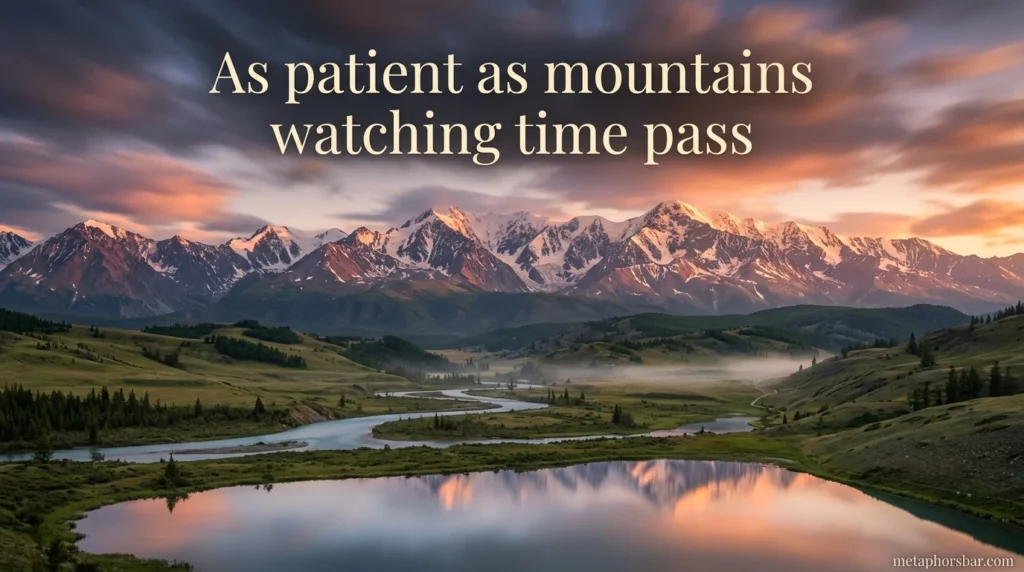
Meaning: Calm and enduring. Usage Insight: Perfect for academic or reflective writing. Examples:
- I waited as patient as mountains watching time pass.
- She listened as patient as ancient hills.
- Like a phoenix rising from ashes
Meaning: Strong after failure. Usage Insight: Powerful in comeback stories. Examples:
- I returned like a phoenix rising from ashes.
- After defeat, he stood like a phoenix reborn.
As curious as a child exploring a forest
Meaning: Eager to learn. Usage Insight: Great for scholarship essays. Examples:
- I am as curious as a child exploring a forest.
- Her mind wandered as curious as a young explorer.
Like a lighthouse guiding lost ships
Meaning: Supportive and reliable. Usage Insight: Useful in leadership descriptions. Examples:
- I try to guide others like a lighthouse guiding ships.
- He stood like a lighthouse during confusion.
As strong as iron forged in fire
Meaning: Toughened by hardship. Usage Insight: Excellent for motivational writing. Examples:
- I became as strong as iron forged in fire.
- She emerged as strong as steel.
Like a butterfly emerging from a cocoon
Meaning: Personal transformation. Usage Insight: Ideal for growth narratives. Examples:
- I changed like a butterfly emerging from a cocoon.
- His confidence unfolded like wings after winter.
As silent as snowfall at midnight
Meaning: Quiet but meaningful presence. Usage Insight: Good for poetic writing. Examples:
- I move as silent as snowfall at midnight.
- Her kindness was as silent as falling snow.
Like a compass pointing north
Meaning: Guided by purpose. Usage Insight: Strong in career or life mission essays. Examples:
- My goals guide me like a compass pointing north.
- He follows his values like a compass needle.
As resilient as grass after rain
Meaning: Bouncing back quickly. Usage Insight: Great for describing adaptability. Examples:
- I recover as resilient as grass after rain.
- She stood again as resilient as fresh green blades.
Like a star shining in the vast sky
Meaning: Unique and noticeable. Usage Insight: Useful in personal branding. Examples:
- I want to shine like a star in the vast sky.
- His ideas sparkled like distant stars.
As determined as a climber scaling cliffs
Meaning: Focused and persistent. Usage Insight: Motivational contexts. Examples:
- I pursue dreams as determined as a climber scaling cliffs.
- She worked as determined as an athlete in training.
Like an open book in sunlight
Meaning: Honest and transparent. Usage Insight: Ideal for character descriptions. Examples:
- I try to live like an open book in sunlight.
- His sincerity was clear like pages in daylight.
As warm as a summer breeze
Meaning: Friendly and kind. Usage Insight: Good for social personality descriptions. Examples:
- My nature is as warm as a summer breeze.
- She welcomed everyone as warm as July air.
Like a mirror reflecting truth
Meaning: Honest and self-aware. Usage Insight: Works well in reflective essays. Examples:
- I see myself like a mirror reflecting truth.
- He spoke like a mirror revealing reality.
As focused as an eagle spotting prey
Meaning: Highly attentive. Usage Insight: Excellent for academic achievements. Examples:
- I study as focused as an eagle spotting prey.
- She listened as focused as a hawk.
Like a bridge connecting two worlds
Meaning: Bringing people together. Usage Insight: Cultural or leadership writing. Examples:
- I act like a bridge connecting two worlds.
- His work united communities like a strong bridge.
As brave as a sailor in rough seas
Meaning: Courage under pressure. Usage Insight: Powerful in storytelling. Examples:
- I remained as brave as a sailor in rough seas.
- She faced fear as brave as a captain at sea.
Like rain nourishing dry soil
Meaning: Helpful and refreshing. Usage Insight: Useful in friendship or teamwork themes. Examples:
- I hope my words feel like rain nourishing dry soil.
- His advice fell like rain on thirsty ground.
As sharp as lightning splitting the sky
Meaning: Quick-thinking and intelligent. Usage Insight: Great for professional bios. Examples:
- My ideas strike as sharp as lightning.
- She answered as sharp as lightning across clouds.
Like a flame refusing to fade
Meaning: Passionate and persistent. Usage Insight: Ideal for creative writing. Examples:
- My passion burns like a flame refusing to fade.
- He worked like a steady fire in winter.
As grounded as ancient roots
Meaning: Deeply connected to identity. Usage Insight: Cultural reflections. Examples:
- I feel as grounded as ancient roots in sacred soil.
- She remained grounded as roots beneath a tree.
Like a clock ticking toward purpose
Meaning: Time-conscious and driven. Usage Insight: Career-focused writing. Examples:
- I work like a clock ticking toward purpose.
- He planned his life like precise gears turning.
As hopeful as sunrise over hills
Meaning: Full of optimism. Usage Insight: Motivational speeches. Examples:
- I wake each day as hopeful as sunrise over hills.
- Her voice sounded as hopeful as morning light.
Like wind shaping desert dunes
Meaning: Influential yet subtle. Usage Insight: Leadership or mentorship writing. Examples:
- I influence quietly like wind shaping desert dunes.
- He changed minds like steady wind reshaping sand.
As loyal as a tree to its soil
Meaning: Faithful and committed. Usage Insight: Friendship or values discussion. Examples:
- I remain as loyal as a tree to its soil.
- She stood by her team as loyal as deep roots.
Like a spark igniting a flame
Meaning: Inspirational and energetic. Usage Insight: Creative or motivational contexts. Examples:
- I want to be like a spark igniting a flame.
- His enthusiasm spread like fire catching dry wood.
As balanced as branches in still air
Meaning: Emotionally stable. Usage Insight: Personal growth essays. Examples:
- I strive to remain as balanced as branches in still air.
- She handled stress as balanced as trees on calm days.
How to Use Similes Effectively in Writing
- Choose meaningful comparisons. Make sure the comparison truly reflects your personality or theme.
- Keep it natural. Avoid forcing similes into every sentence.
- Match tone and context. Nature similes work beautifully in poetry and reflective essays, while sharper comparisons suit academic writing.
- Show, don’t over-explain. Let the imagery speak for itself.
- Use variety. Mix emotional, physical, and symbolic comparisons for depth.
Similes are powerful tools in poems, songs, college essays, storytelling, and even professional writing when used carefully.
FAQs
1. What are metaphors for yourself?
They are figurative language expressions that describe your personality, emotions, or identity through symbolic comparisons, often using similes or metaphors.
2. What is the difference between similes and metaphors?
Similes use like or as to compare, while metaphors make direct comparisons without those words.
3. Are similes useful in academic writing?
Yes, when used carefully. They can clarify complex ideas and make essays more engaging.
4. How do nature similes improve writing?
Nature similes connect emotions to universal images like trees, rivers, and sunlight, making writing vivid and relatable.
5. Can similes be used in professional or creative writing?
Absolutely. They strengthen storytelling, speeches, branding, poetry, and personal statements.
Conclusion
Using metaphors for yourself through vivid similes transforms ordinary descriptions into powerful imagery. These comparisons add clarity, emotional depth, and memorable detail to your writing. Whether you describe yourself as steady as an oak, hopeful as sunrise, or resilient as grass after rain, you invite readers to truly see who you are. Similes bridge imagination and identity, helping your words grow strong roots and wide branches. When used thoughtfully, they turn self-expression into something as enduring and meaningful as nature itself.